What ₦1,000 Actually Buys at Home vs. What It Costs You Abroad
You convert it before you even read the rest of the message. Your cousin texts "just need 5k for something small," and your thumb is already doing the math: 5,000 divided by whatever the rate is this week. The number that comes back is small. $3. $4, if the naira's had a good month. You exhale. Small ask, small favor, no big deal either way.
But you converted the wrong thing. You converted the cost. Nobody at home is asking you what $4 costs. They're asking you what ₦5,000 buys, and that number is set by prices in Lagos, not by your location. Being in Toronto or Houston or Reading doesn't change what the money is worth there.
What ₦1,000 actually does at home
Naira in Lagos is not a stand-in for a smaller amount of dollars. It's its own unit, tied to its own prices, and those prices haven't been briefed on how small the number looks on your side.
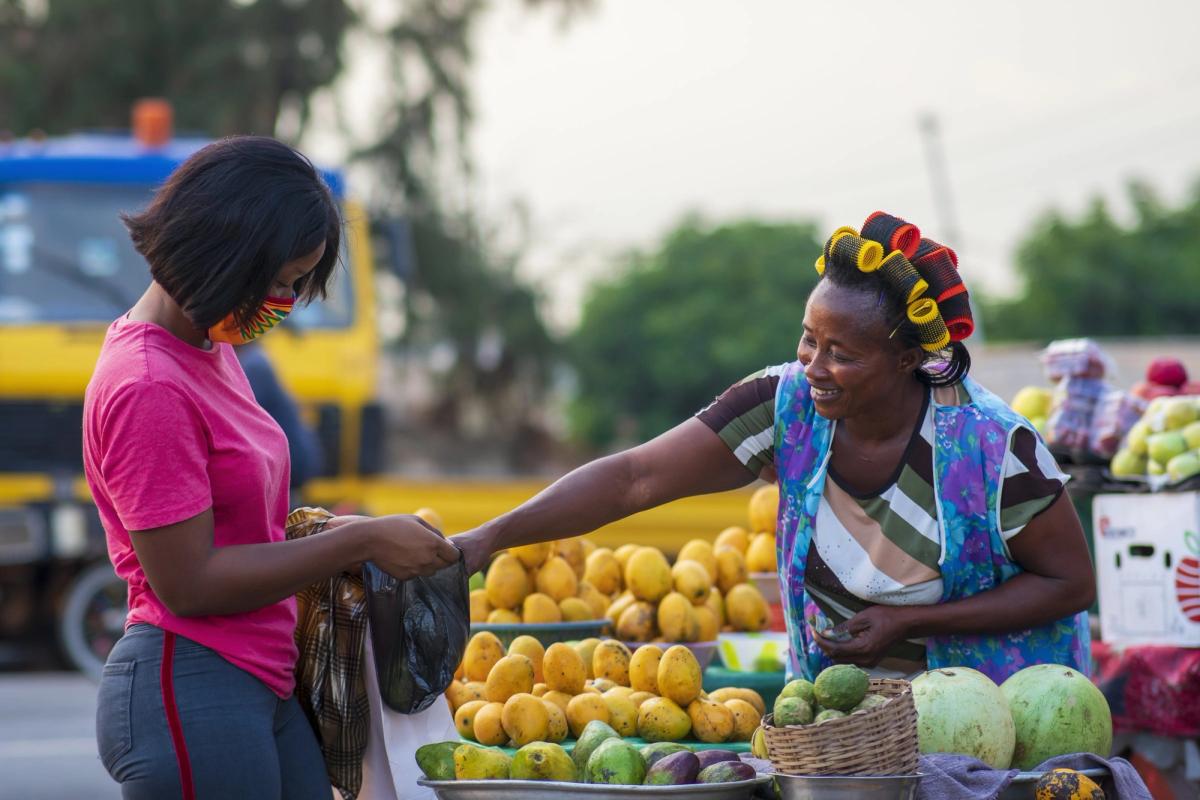
₦1,000 today gets you a loaf of bread and change left for a sachet of pure water. Or two bus rides across town, the kind with a conductor hanging out the door shouting the route. Or a plate of rice from the woman on the corner, not the big plate, but a real one: the kind that gets a person through a workday. It's a recharge card that still means something, or half of one, still enough for the phone call that actually matters. It's the difference, some days, between a child eating something before school and a child eating nothing.
None of that shows up when the number becomes "$0.65" in your head. Dollar math flattens it into pocket change. Naira math keeps it as a meal, a commute, a small emergency handled.
This is the whole trick of currency conversion: converting a number doesn't convert its weight. ₦1,000 weighs what it weighs inside the economy it's spent in, not the one it was earned in.
What that same ₦1,000 buys you, abroad
Now run it the other direction, because this is the part people abroad skip.
Take ₦1,000, convert it honestly, and try to spend it where you are. In most Western cities that's not enough for a coffee. It won't cover a single bus fare in London or a subway swipe in New York. It's not a tip, it's barely a rounding error on one. You cannot buy a meal with it, you cannot buy a phone card that does anything, you cannot buy fifteen minutes of parking.
Sit with that for a second: the exact same ₦1,000 is substantial in Lagos and nothing in London. Same number, same day, two completely different amounts of real-world power, depending only on which side of the ocean it lands.
So when your cousin asks for "just 5k," and you convert it to $4 and think, that's nothing, why is this even a whole text exchange? You're not being generous by saying yes easily. You're just misunderstanding the ask. It was never a small ask. It only looked small because you ran it through the wrong exchange rate: not the naira-to-dollar rate, but the invisible one between what a number costs you and what it does for them.
Why your brain keeps doing this
You're not being careless, and neither is your cousin. This is just what currency conversion does to perception: a known, predictable distortion, not a personal failing.
When you live abroad and earn in dollars or pounds or euros, your sense of "small money" gets calibrated to your economy. A $5 spend is a coffee, forgettable, gone in a swipe. So when a naira number converts to $5, your brain files it under coffee-sized, automatically, without asking what it's actually buying on the other end.
The reverse happens too, and it causes its own kind of friction. Someone at home hears you make what sounds, in naira, like an enormous salary, and assumes you're swimming in it, not realizing that same salary is rent, and transit, and a grocery bill that would buy a wedding's worth of food back home. Both of you are doing honest math. Both of you are getting the wrong answer, because you're each converting into the currency you're fluent in, not the one the other person is actually spending in.
Nobody's lying here. Nobody's being dramatic or being stingy. Two people are just standing in two different economies, holding the same number, and seeing two different things.
The reframe that actually helps
Stop converting cost. Start asking about use.
Instead of running the naira-to-dollar math and reacting to the dollar figure, ask yourself, or ask them, plainly, what the money is actually for. Not "how much is that in real money," because naira is real money, it's just not your money. Ask: is this rent, is this a meal, is this transport for the week, is this a business restock. Let the answer tell you the size of the ask, not the exchange rate.
And when you're the one explaining your own numbers to people back home, do the same in reverse. Don't just say what something costs in dollars and expect it to land. Say what it costs you relative to what you have left over. "I make more than that sounds like in naira, but rent alone takes a third of it" carries more truth than the number by itself ever will.
It's about making sure the number in your head and the number in theirs are actually pointing at the same thing before either of you reacts to it.
So next time a number comes across, in either direction, don't just convert it. Ask what it buys where it lands. That's the only exchange rate that ever told the truth.